Tensions Rise Ahead of Key Clash
As Rosario Central prepares to face Independiente in the round-of-16 of the Copa de la Liga Profesional, a storm has brewed off the pitch. Los Canallas have taken the controversial step of denying access to journalists from Independiente, citing safety concerns for the visiting reporters. This decision comes amidst heightened tensions between both clubs, making the upcoming match not only significant in sporting terms, but also in the context of media freedom and safety in Argentine football.
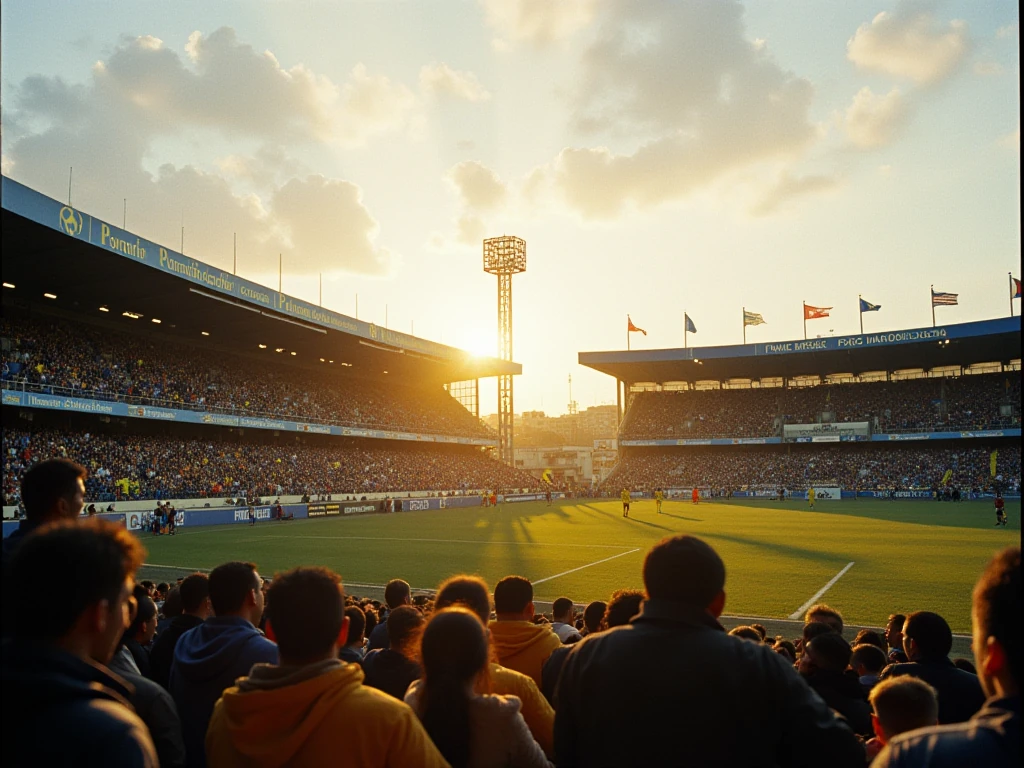
The match, set to kick off at 3:00 p.m. This Sunday, is more than just a knockout round; it’s a clash of two historic rivals. With both teams vying for dominance in the Liga Profesional, the atmosphere is charged, yet the decision to limit media access raises important questions about transparency and the role of journalism in sports.
The decision to bar Independiente journalists from covering the match stems from concerns voiced by Rosario Central's management regarding the safety of the visiting reporters. Following incidents in previous encounters, where tensions flared between fans and media, the club has opted for a precautionary approach. This has drawn criticism not only from those directly affected but also from various sectors of the media and public.
- Safety Concerns: Rosario Central cited incidents in past matches where journalists faced hostility.
- Media Rights: The decision raises questions about the rights of journalists to cover events freely.
- Public Reaction: Many fans and pundits have expressed their discontent with the ban, arguing it undermines the integrity of sports journalism.
This situation is reminiscent of previous instances in Argentine football where clubs have restricted media access due to perceived threats.
The Role of Local Authorities
In response to the uproar, local authorities have stepped in to mediate the situation. The provincial government has called for a meeting between Rosario Central's management and representatives from Independiente to address the issue and ensure that journalists can safely cover the match. This intervention highlights the importance of maintaining a balance between safety protocols and the freedom of the press.
The governor’s office has emphasized that while safety is most important, the right of journalists to report on sporting events without fear of violence is equally key. This stance is a positive development, aiming to foster a safer environment for media professionals in Argentine football.
What This Means for Rosario Central
For Rosario Central, this situation is a double-edged sword. On one hand, the club is prioritizing the safety of everyone involved, including the media. On the other hand, the decision could backfire, potentially damaging their reputation as a club that respects journalistic integrity. Also, the implications of this ban extend beyond the immediate match.
- Fan Perception: How fans view the club's actions can influence attendance and support.
- Media Relations: Future interactions with the press might be strained, affecting coverage.
- Team Morale: Players may feel the pressure of external scrutiny, impacting their performance.
As Rosario Central looks to advance in the Copa de la Liga Profesional, they must handle this sensitive issue carefully, ensuring that their competitive focus remains intact.
A Historic Rivalry Intensified
The rivalry between Rosario Central and Independiente is steeped in history, with both teams claiming passionate fanbases that often clash both on and off the pitch. This upcoming match is set to be a critical moment in the season, and the added tension surrounding media access only heightens the stakes.
Both clubs have experienced their share of ups and downs in the Liga Profesional Argentina, but as they enter this knockout round, the desire to progress adds another layer to an already intense rivalry. The historical context of the match cannot be understated, with previous encounters often resulting in electric atmospheres and memorable moments.
Fan Reactions and Outlook
Fans of both sides have taken to social media and local forums to express their opinions on the ban. For many Rosario Central supporters, the safety of their team and the journalists is non-negotiable; however, the manner in which the club has handled the situation has drawn mixed reviews.
Many fans have voiced their concerns: - Frustration: Some believe limiting journalists will lead to a lack of coverage and transparency. - Support for Safety: Others argue that the club's priority should be the safety of all involved. - Desire for Resolution: Fans are eager to see a resolution that allows for safe and responsible journalism.
The reactions highlight the divide in public sentiment, with many calling for better communication between the club, the media, and the fans. The path forward must involve dialogue and a commitment to ensuring that all parties can safely engage with the game they love.
What's Next
As the match day approaches, all eyes will be on Los Canallas to see how they handle the aftermath of this decision. The outcome of the meeting between local authorities and both clubs could set a precedent for how Argentine football manages media relations in the future.
With the match itself promising to be a critical clash in the knockout stage of the Copa de la Liga Profesional, both teams will need to focus on their performance on the pitch. For Rosario Central, overcoming external distractions will be key as they aim to secure their place in the next round against a formidable Independiente side.
As the sun sets on the day of the match, hopefully, the focus will return to what really matters: the game itself, played with passion, respect, and the fervor that defines Argentine football.