
In a surprising turn of events, Rosario Central has taken the drastic step of banning media personnel from Independiente from covering their upcoming match, citing safety concerns as the primary reason. This decision comes in light of the intense rivalry and the heated atmosphere that often accompanies clashes between the two sides. As the stakes rise in the Liga Profesional Argentina, the implications of this media ban could reverberate throughout the coming weeks, affecting not only press coverage but also fan engagement and the overall narrative surrounding the teams.
The Context of the Media Ban
The leadership at Rosario Central, known as Los Canallas, announced this media ban ahead of their playoff match against Independiente, emphasizing that they cannot guarantee the safety of the visiting press. This statement highlights the ongoing tension between the two clubs, which has deep historical roots. Rosario Central and Independiente are not only rivals on the pitch; their clashes often embody a broader cultural and social rivalry that transcends football.
The decision to bar the media is unprecedented and reflects the escalating tensions that have characterized recent encounters between these two clubs. The last few matches have seen not only fierce competition but also incidents that have raised concerns about crowd control and safety. By restricting access to Independiente’s media representatives, Rosario Central aims to protect its own fans and players from potential provocations.
A Strong Response from Independiente
In response to Rosario Central's media ban, Independiente issued a strongly worded statement condemning the decision. The club's management expressed disappointment and concern, arguing that the media matters in fostering the spirit of competition and should be allowed to operate freely. This statement shows the deep-seated rivalry and the importance of media coverage in shaping public perception of the clubs.
Independiente's leadership also pointed out that limiting media access could lead to misunderstandings and misinformation regarding the match, potentially inflaming tensions further. They emphasized that both clubs should work towards a solution that prioritizes safety while allowing for fair media representation. This back-and-forth highlights the complexities involved in managing rivalries within such a passionate football culture.
The Impact on Fan Engagement
The media ban is likely to have significant repercussions for fan engagement as well. In today’s digital age, fans rely heavily on media coverage for insights, interviews, and analyses of their teams. By restricting Independiente's media presence, Rosario Central risks alienating a portion of their own fanbase who may feel deprived of comprehensive coverage of the rivalry.
Also, the absence of independent reporting could lead to increased speculation and rumors, potentially exacerbating tensions between the two sets of supporters. Fans are deeply invested in the narratives surrounding their clubs, and any attempt to control that narrative may backfire, leading to greater unrest among the fanbase.
- Key points regarding the media ban:
- Safety concerns cited by Rosario Central.
- Independiente's strong condemnation of the decision.
- Potential alienation of fans due to lack of media coverage.
- Historical context of the rivalry influencing current tensions.
The Wider Championship Picture
As the Liga Profesional Argentina approaches its critical playoff stages, the implications of this media ban extend beyond just the immediate match. Both Rosario Central and Independiente are vying for key points that could impact their league standings and playoff positions. This rivalry match is more than just a game; it’s a battle for pride, prestige, and critical points in the league.
Currently, both teams find themselves in a competitive landscape, and the outcome of this match could determine their trajectories for the remainder of the season. With tensions running high, both clubs will need to handle not only their on-field strategies but also the off-field dynamics that the media ban has introduced. The potential for heightened emotions during the match could make for a volatile atmosphere, impacting players' performances and fan behavior alike.
Fan Reaction and Outlook
Fan reactions to the media ban have been mixed, with many expressing support for their respective clubs while others voice concerns over the implications for fair play and open dialogue. Social media platforms have been abuzz with discussions, memes, and predictions regarding the upcoming match, illustrating how deeply ingrained this rivalry is in the local culture.
Some fans argue that the media ban is a necessary measure to ensure safety, while others feel it undermines the sporting spirit that should define such encounters. The discussion has opened a larger dialogue about how clubs manage rivalries and their relationships with the media, especially in a sport as passionate as football.
The prevailing sentiment among fans is one of anticipation-anticipation for what promises to be a highly charged match, full of the raw emotion and competitive spirit that defines Argentine football. As the match day approaches, both fan bases will be looking for signs of strength and resolve from their teams, knowing that the outcome could have lasting implications for their league ambitions.
What's Next
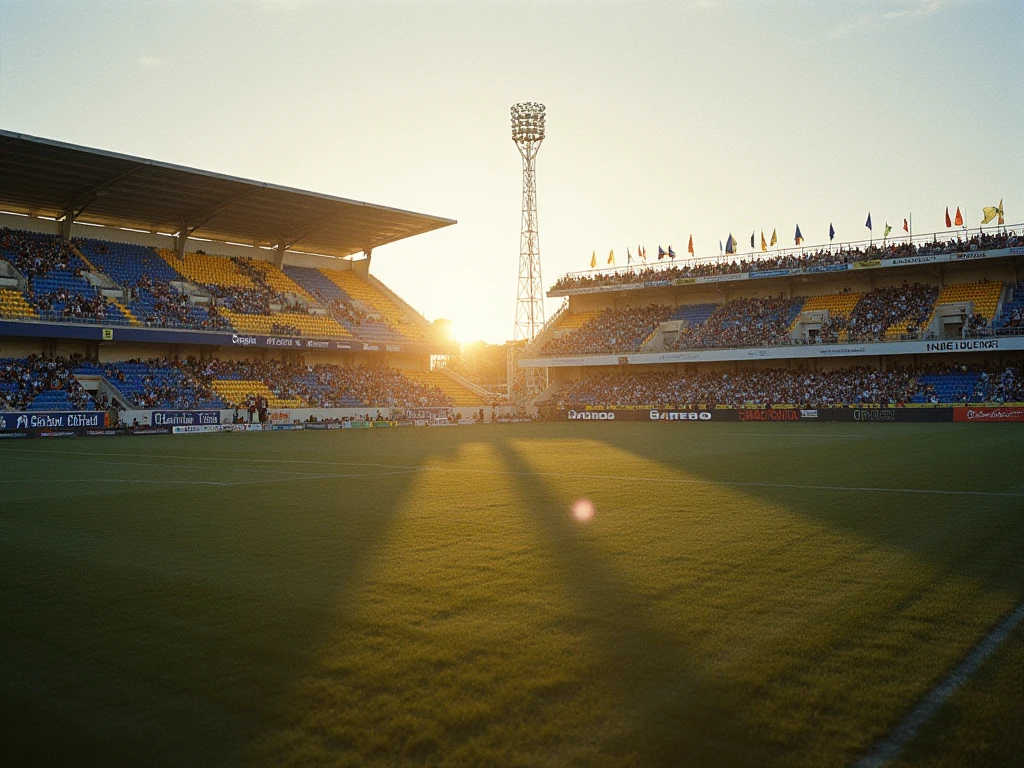
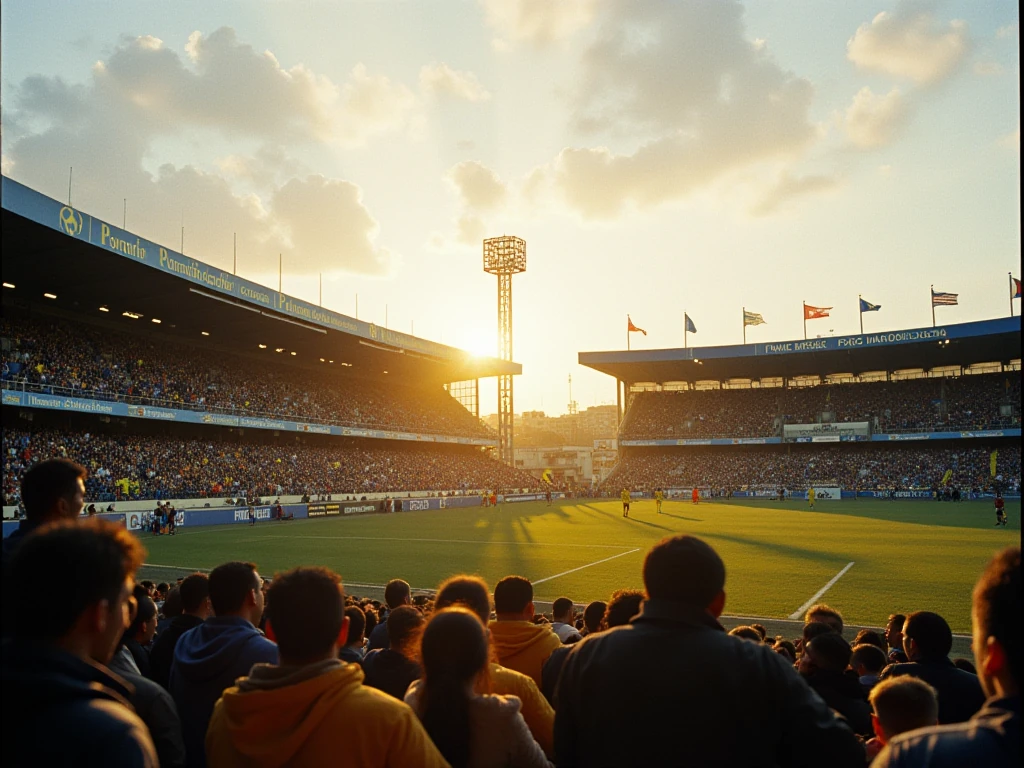
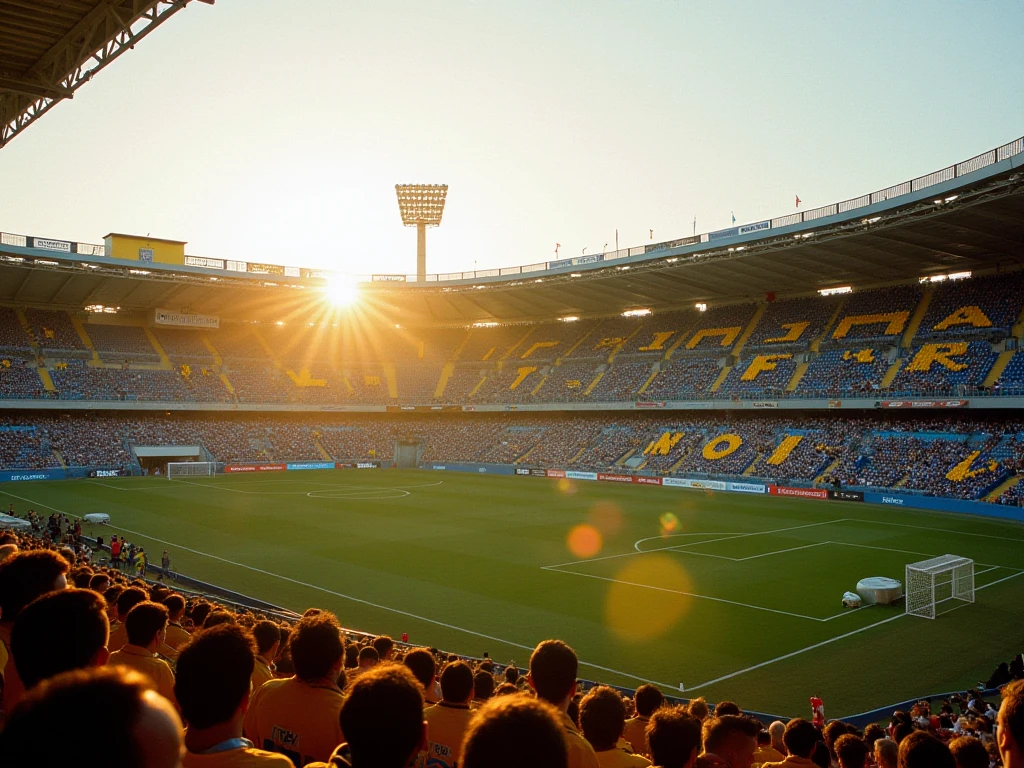
As the dust settles from this media ban, all eyes will be on the upcoming clash between Rosario Central and Independiente. The match, set to take place at Estadio Gigante de Arroyito, promises to be a focal point of discussion and a potential flashpoint for tensions between the two clubs.
Moving forward, it will be key for both clubs to manage the narratives surrounding their rivalry, focusing on positive engagement with fans while handling the complexities of safety and media representation. The stakes are high, and the implications of this media ban could shape the future dynamics of one of Argentina's most storied football rivalries.