The year was 1971, and the air in Rosario was thick with anticipation as Rosario Central prepared to battle for the Copa Argentina. This prestigious tournament often showed the best of Argentine football, bringing together teams from various divisions to compete for glory. For Los Canallas, this particular campaign was more than just a series of matches; it was a chance to etch their name into the annals of history.
Rosario Central's journey in the tournament began with a mix of determination and skill, as they faced teams that were both familiar rivals and lesser-known opponents. The squad, led by legendary coach Ángel Tulio Zof, showed a blend of youth and experience that would prove decisive. Key players like the talented forward, Mario Kempes, not only brought flair but also a relentless drive to succeed, embodying the spirit of a club that had long sought affirmation in the national landscape.
As the tournament progressed, Rosario Central found themselves in a series of intense encounters. Their tactical prowess and team chemistry were evident, as they handled through each round with a blend of grit and flair. The semi-finals saw them face a formidable opponent, but Central's resilience shone through, culminating in a thrilling victory that sent them to the finals.
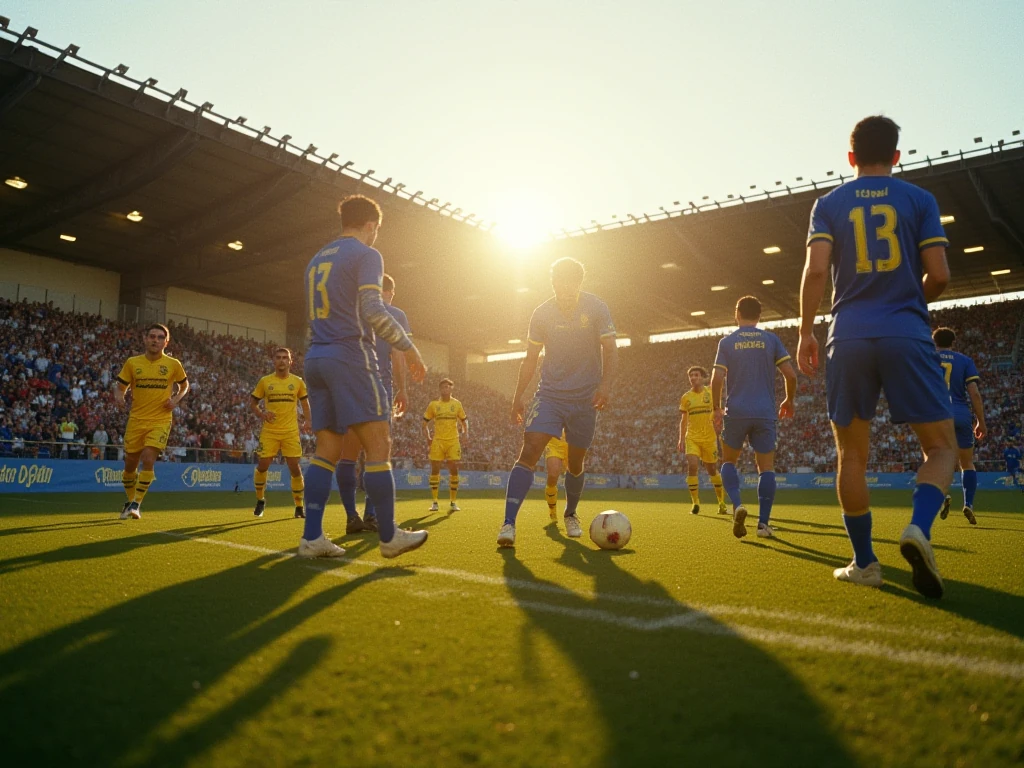
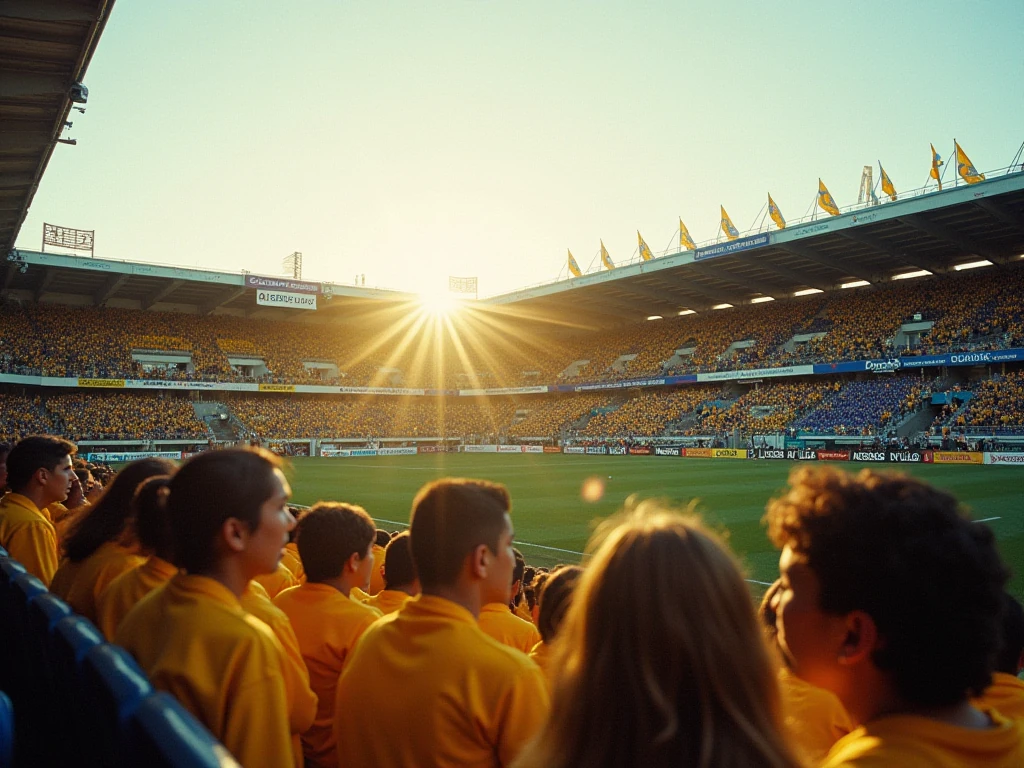
The final match, held at the historic Estadio Monumental in Buenos Aires, drew a packed crowd, including a fervent contingent of Central supporters. The atmosphere was electric, charged with the hopes and dreams of Canalla fans who had longed for a day like this. The match itself was a shows of Argentine football, with both sides exchanging blows. Rosario Central’s tactical discipline, combined with moments of individual brilliance, ultimately tipped the scales in their favor.
After a hard-fought battle, Rosario Central emerged victorious, lifting the Copa Argentina trophy for the first time in the club’s history. The victory was a watershed moment, symbolizing the team's resilience and ambition. It was not only a trophy; it was a statement that Rosario Central belonged among the elite of Argentine football.
This triumph had far-reaching implications for the club. It instilled a sense of pride and purpose among the players and fans alike, forging a deeper connection to their identity as Canallas. The victory also laid the groundwork for future successes, inspiring subsequent generations of players to don the blue and yellow with a sense of honor and responsibility.
In the years that followed, the 1971 Copa Argentina victory would be recalled as a turning point for Rosario Central, one that fueled their ambitions in both domestic and international competitions. It became a cornerstone of the club's rich history, a reminder of the power of unity and determination.
As Los Canallas continue to write their story in the modern era of football, the echoes of that momentous victory resonate through the stands of the Gigante de Arroyito. The legacy of 1971 serves as a beacon for all who wear the badge, reminding them that greatness is achieved through hard work, passion, and an unwavering commitment to the badge.