 Rosario Central Hub
The 1971 Copa Libertadores: A Milestone for Rosario Central
In the annals of Argentine football, few tournaments evoke the kind of reverence that the Copa Libertadores does. It is the ultimate stage for South American clubs, a battleground where legends are forged and dreams are either realized or shattered. For Rosario Central, the 1971 edition of this prestigious tournament marked a watershed moment in their history, as they proudly showcased their mettle on an international level.
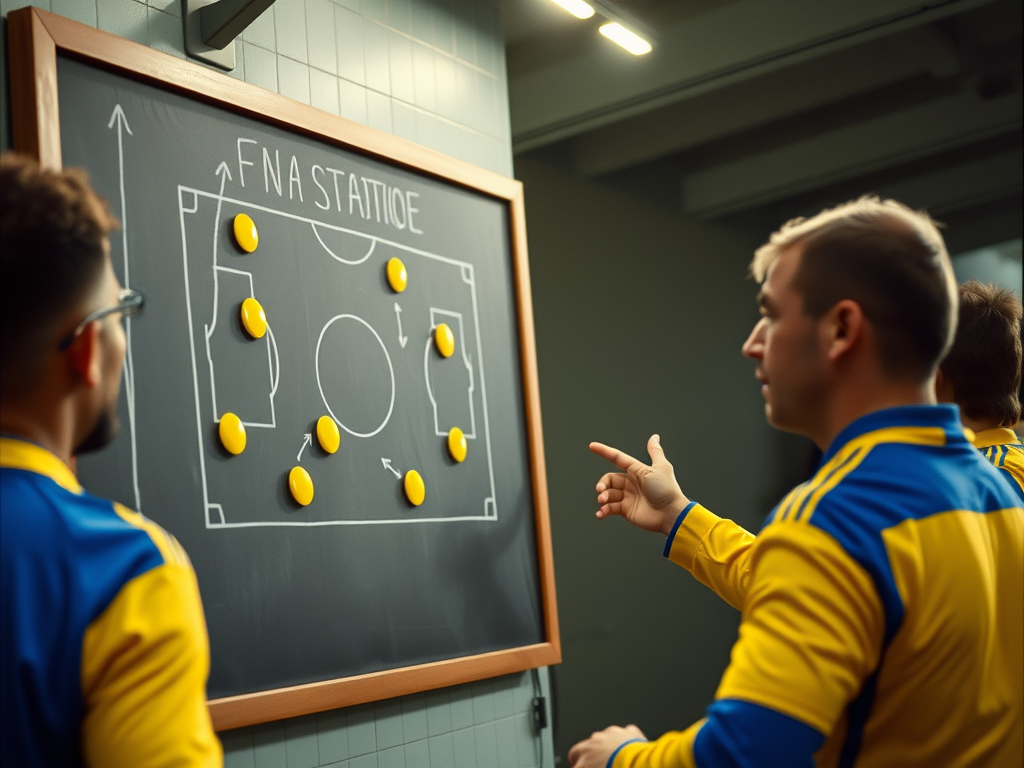
Having established themselves as a formidable force domestically, Los Canallas entered the 1971 Copa Libertadores with a sense of ambition and determination. The team, managed by the astute coach Ángel Tulio Zof, displayed an impressive combination of tactical acumen and raw talent, which would soon capture the attention of fans and critics alike. The squad featured a blend of experienced players and emerging talents, including the likes of Omar Palma and Héctor Enrique, who would go on to become household names in Argentine football.
In the group stage, Rosario Central faced off against notable opponents, including Peñarol from Uruguay and Universitario from Peru. The Canallas' performances were nothing short of remarkable, as they showcased a brand of football that was both attractive and effective. Their ability to dominate possession and create scoring opportunities left an indelible impression on fans, who began to believe that this could be their year.
As the tournament progressed, Rosario Central's relentless pursuit of glory led them to the semifinals, where they faced the legendary Estudiantes de La Plata. This matchup was highly anticipated, as both clubs were known for their competitive spirit and deep-rooted rivalry. Although they ultimately fell short in their quest for the title, the experience gained during the tournament was invaluable. The Canallas had not only made their mark on South American football but had also ignited a passion for international competition among their supporters.
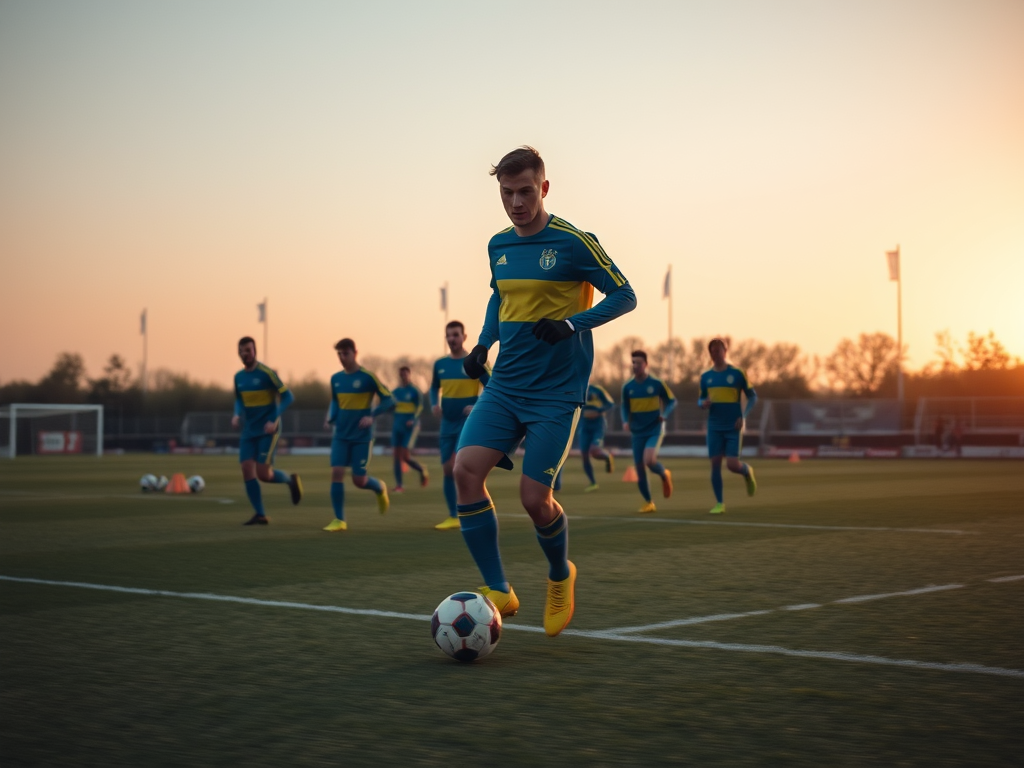
The impact of Rosario Central's 1971 Copa Libertadores campaign extended beyond the pitch. It served as a catalyst for future generations of players who would don the iconic yellow and blue jersey. Young talents in Rosario began to dream of emulating their heroes, and the club's commitment to developing local talent became even more pronounced in the years that followed.
Moreover, the passionate fanbase of Rosario Central found new pride in their club's achievements. The supporters, known for their unwavering loyalty, rallied behind the team during their Libertadores journey, creating an electric atmosphere at the Estadio Gigante de Arroyito. The echoes of their chants and the vibrant displays of support became a hallmark of the Canallas' identity, further solidifying the bond between the club and its fans.
As we reflect on the significance of Rosario Central's 1971 Copa Libertadores campaign, it is vital to recognize its role in shaping the club's storied legacy. While they may not have lifted the trophy that year, the journey itself was transformative. It laid the groundwork for future successes and instilled a sense of ambition that continues to drive the club forward.
Today, as Los Canallas prepare to take on new challenges, their historic run in the 1971 Copa Libertadores remains a poignant reminder of the heights they can reach. The spirit of that team, characterized by resilience, teamwork, and an unyielding desire to succeed, lives on in the heart of every fan and player who represents Rosario Central. The legacy of that unforgettable campaign serves as both inspiration and motivation for the generations that will follow.