 Rosario Central Hub
Tactical Adjustments for Rosario Central's Forward Momentum
As Los Canallas navigate the Liga Profesional Argentina, their recent form has sparked optimism among fans and players alike. However, while the team has shown resilience and skill, a tactical analysis reveals some areas that could benefit from strategic adjustments to maximize their potential and keep the momentum rolling.
Midfield Dynamics: A Need for Balance
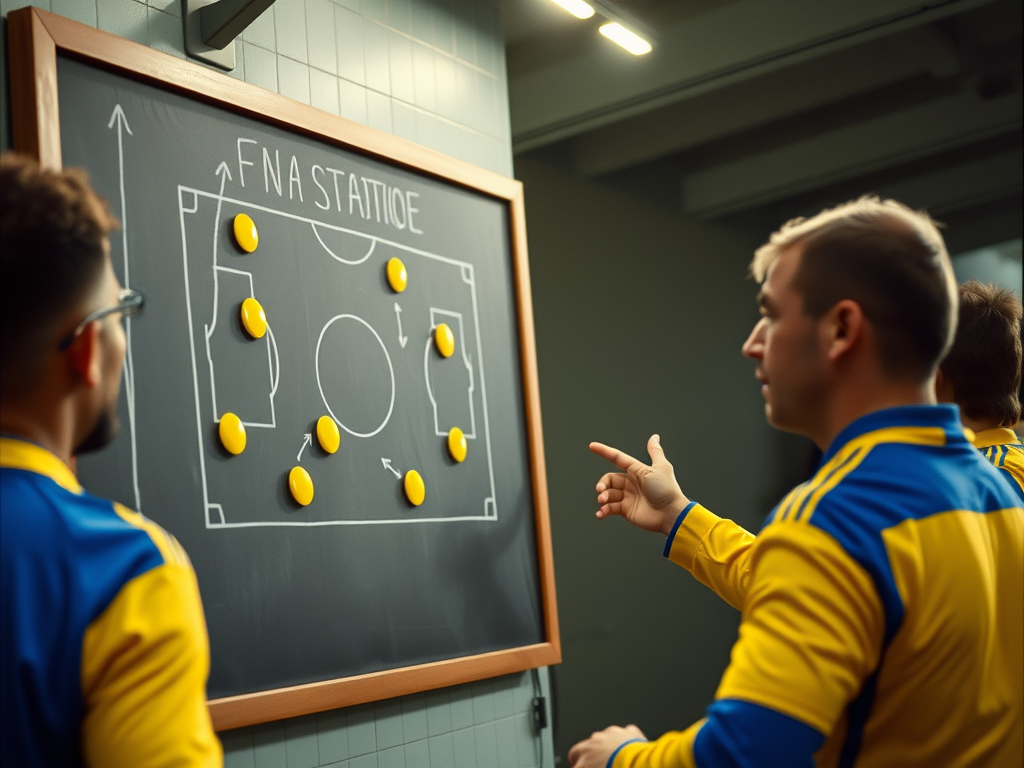
Currently, Rosario Central's midfield is a blend of creativity and tenacity, but there are moments when it appears overloaded or disconnected from the attack. To address this, coach Miguel Ángel Russo could consider a more fluid 4-3-3 formation that emphasizes balance between defensive duties and offensive support. This adjustment would allow the team to control possession more effectively while providing the necessary cover for the defense.
Introducing a double pivot in the midfield—perhaps utilizing the talents of Franco Ibarra alongside another dynamic midfielder—could provide the stability needed to facilitate transitions. This would allow players like M. Cabrera to exploit spaces in the final third, enhancing the link-up play with forwards and ensuring that the attack remains a constant threat.
Winger Responsibilities: Emphasizing Width
Another critical area for improvement lies on the flanks, where Rosario Central has the potential to stretch opponents and create more scoring opportunities. Currently, wingers sometimes drift inside, congesting the midfield and limiting the team's width. By encouraging the wingers to stay wide and exploit the flanks, Central can draw defenders out of position, creating gaps for attacking midfielders or overlapping full-backs.
This tactical tweak could also allow for a more dynamic interplay between the wingers and the strikers. For instance, if the wingers can deliver accurate crosses or cutbacks from wide positions, it could significantly increase the scoring chances for forwards like G. Ávila, who thrives on well-placed service.
Defensive Cohesion: Strengthening the Backline
Defensively, Rosario Central has shown moments of vulnerability, particularly during counter-attacks. To mitigate this, a more cohesive defensive structure is essential. Implementing a high line with coordinated pressing could disrupt the opposition's build-up play and allow Central to regain possession higher up the pitch. However, this requires disciplined positioning from the center-backs, who must be ready to react quickly to any long balls or breakaways.
Moreover, integrating a more proactive approach from the full-backs could create additional defensive support while also initiating attacks. With full-backs stepping into midfield when appropriate, Central can maintain numerical superiority in crucial areas of the pitch.
Set-Piece Strategy: Capitalizing on Opportunities
Finally, set-pieces represent an underutilized opportunity for Rosario Central. While the team has shown proficiency in defending set-pieces, the offensive side has been less effective. By refining their set-piece routines—whether through rehearsed plays or strategic positioning—Central could convert more of these situations into goals, providing a valuable edge in tightly contested matches.
Conclusion: A Path Forward
In summary, while Rosario Central's recent performances have been commendable, the potential exists for further tactical refinement. By focusing on midfield balance, emphasizing width through wingers, strengthening defensive coherence, and capitalizing on set-piece opportunities, Los Canallas can enhance their game and push for a strong finish in the Liga Profesional Argentina. As always, the support of the passionate fans at the stadium will be crucial in driving the team forward as they implement these adjustments.