 Rosario Central Hub
A Rising Storm: Media Ban and Safety Concerns
In a controversial move that has sent shockwaves through the football community, Rosario Central has effectively barred media representatives from Independiente from covering their upcoming matches. This decision, grounded in safety concerns, has raised alarms and sparked an intense backlash from the Avellaneda club. As the Liga Profesional Argentina approaches its critical play-off stage, the implications of this ban could resonate far beyond the pitch.
The leadership at Los Canallas has articulated their inability to ensure the safety of visiting press members, a stance that has not only put them on a collision course with Independiente but has also ignited fierce discussions among fans and analysts alike. The situation is further complicated by the fierce historical rivalry between the two clubs, which adds layers of tension to an already heated atmosphere.
The Rationale Behind the Ban
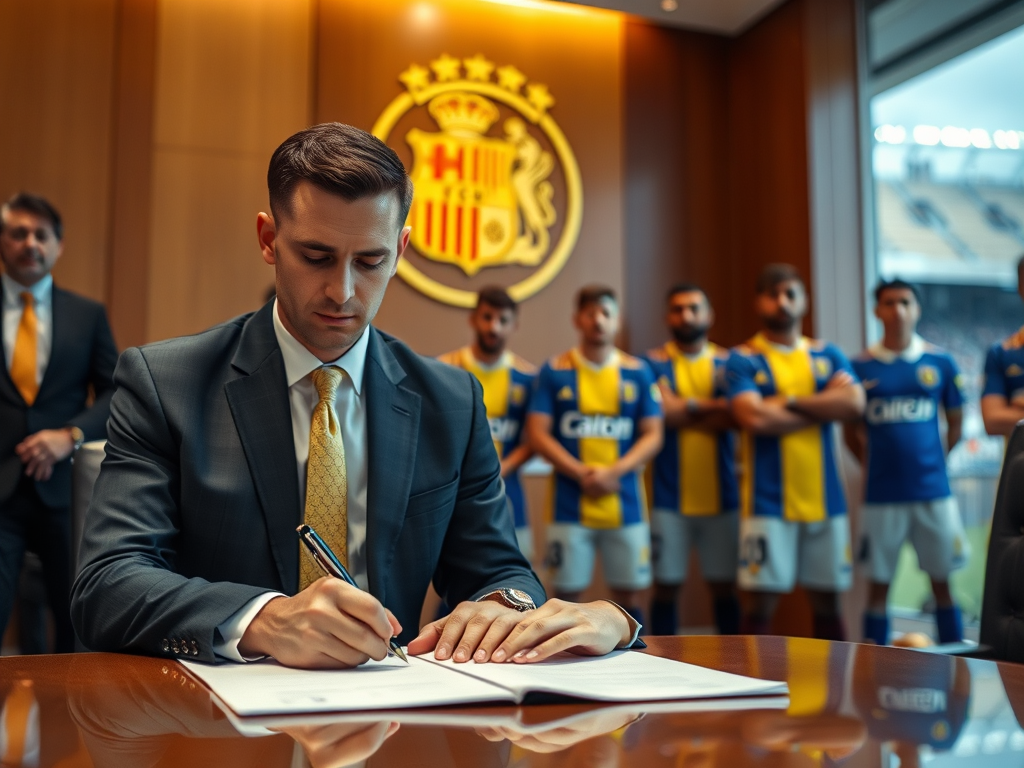
The management team at Rosario Central, led by President Ricardo Carloni, has defended the ban by citing specific threats that have emerged in recent encounters between the two fan bases. They argue that the safety of journalists is paramount, especially in an environment where tensions can escalate rapidly. The statement released by the club highlighted their commitment to a secure and respectful atmosphere for all involved in the match coverage.
- Key points from Rosario Central's statement:
- Concerns over potential violence from fans
- Historical incidents that have marred press coverage
- Commitment to the safety of all media personnel
This rationale is not without precedent; similar incidents involving media restrictions have occurred in Argentine football, where emotions often run high. However, the outright exclusion of a rival's press team is a rare occurrence that raises questions about freedom of the press in sports contexts.
Independiente's Response: A Strong Rebuttal
In response to the ban, Independiente issued a scathing statement condemning the decision and emphasizing the importance of media freedom in football. The Avellaneda club expressed their disappointment, framing the ban as an affront not only to their press but also to the integrity of the sport itself. The club's officials called for an immediate reversal of the decision and urged the Liga Profesional to intervene.
This escalating war of words has heightened tensions between the clubs, with fans taking to social media to express their opinions. Many Independiente supporters feel that this ban is part of a broader pattern of hostility directed towards their club, while some Central fans argue that the decision is justified given past incidents.
The Historical Context of Rivalry
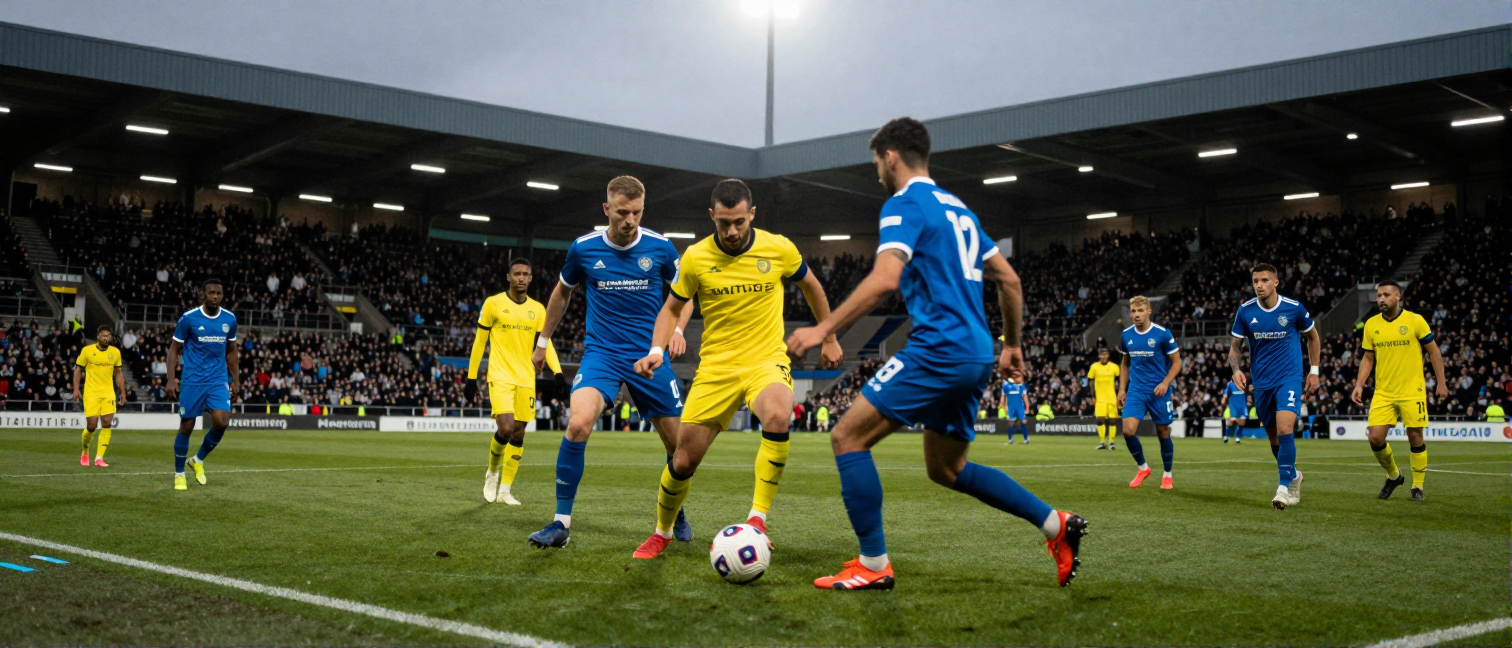
The rivalry between Rosario Central and Independiente is one of the most storied in Argentine football, characterized by passionate fan bases and a history of fierce competition. Matches between these two clubs are often marked by high stakes and intense emotions, making any misstep—such as a media ban—feel even more significant.
Historically, the matches have produced memorable moments, dramatic comebacks, and pivotal league outcomes. The 2018 encounter, for instance, ended in a dramatic 2-1 victory for Rosario Central, showcasing the competitive spirit that defines this rivalry. However, the friction often spills over into off-the-pitch issues, as seen in recent years with conflicts between fan groups and accusations of violence.
What This Means for the Upcoming Play-Offs
As the Liga Profesional Argentina gears up for its play-off phase, the implications of the media ban extend beyond the immediate concerns of safety. With the stakes higher than ever, both teams are poised to face not just their opponents on the field but also the weight of public scrutiny that comes with such a decision.
- Implications of the media ban for Rosario Central:
- Increased pressure on players and coaching staff
- Potential disruption in the flow of information and transparency
- Risks of further escalation of tensions with Independiente
For Rosario Central, the focus now shifts to their performance on the pitch. The team must navigate the complexities of heightened media attention, both from local and international outlets, who are keen to cover the unfolding drama. The players will need to remain focused amid the backdrop of controversy, ensuring that they deliver strong performances that can silence critics.
Fans' Reaction and Outlook
Fan reactions have been mixed, with Central supporters largely supporting the management's decision, while Independiente fans have taken to social media platforms to voice their outrage. The sentiment among Independiente fans is one of betrayal, feeling that their right to coverage and fair treatment is being undermined. Social media has become a battleground, with hashtags trending and passionate arguments erupting in the comments.
Moreover, this incident has reignited discussions about the role of media in sports and the responsibilities of clubs towards press freedom. As fans rally around their respective clubs, the broader implications of the media ban will likely fuel discussions about rivalry, safety, and the future of journalism in Argentine football.
What's Next
As both clubs prepare for their upcoming matches, the focus will inevitably shift to how this media ban plays out in real-time. Will Rosario Central find a way to overcome the external pressures and deliver a strong performance, or will the heightened tensions and scrutiny affect their play?
With the play-offs looming, all eyes will be on Los Canallas as they navigate this complex situation. The outcome of this media ban could shape the landscape of Argentine football, influencing future interactions between clubs and the media. As the rivalry continues to unfold, one thing is clear: the stakes have never been higher.