 Rosario Central Hub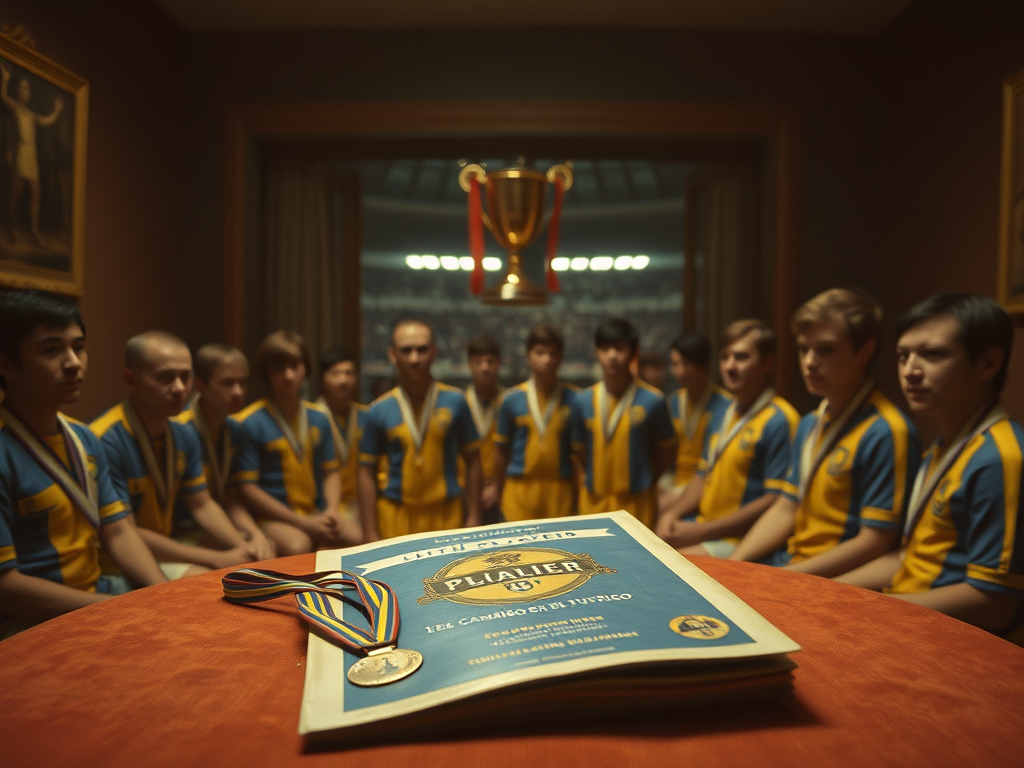
In the tumultuous world of Argentine football, the year 1971 stands as a turning point for Rosario Central, a club that has always sought excellence. That season, under the guidance of legendary coach Ángel Tulio Zof, the Canallas not only consolidated their position in the Primera División but also began to envision a style of play that would set them apart on the national stage.
One of the keys to this renaissance was the incorporation of a golden generation of players who, although young, possessed exceptional technical skill and an insatiable hunger for victory. Figures like midfielder Carlos 'Chivo' Ceballos and forward Eduardo 'Chino' González became pillars of the team, elevating Rosario Central to a new level. These players not only brought skill to the field but also instilled a winning mentality that resonated with the fans.
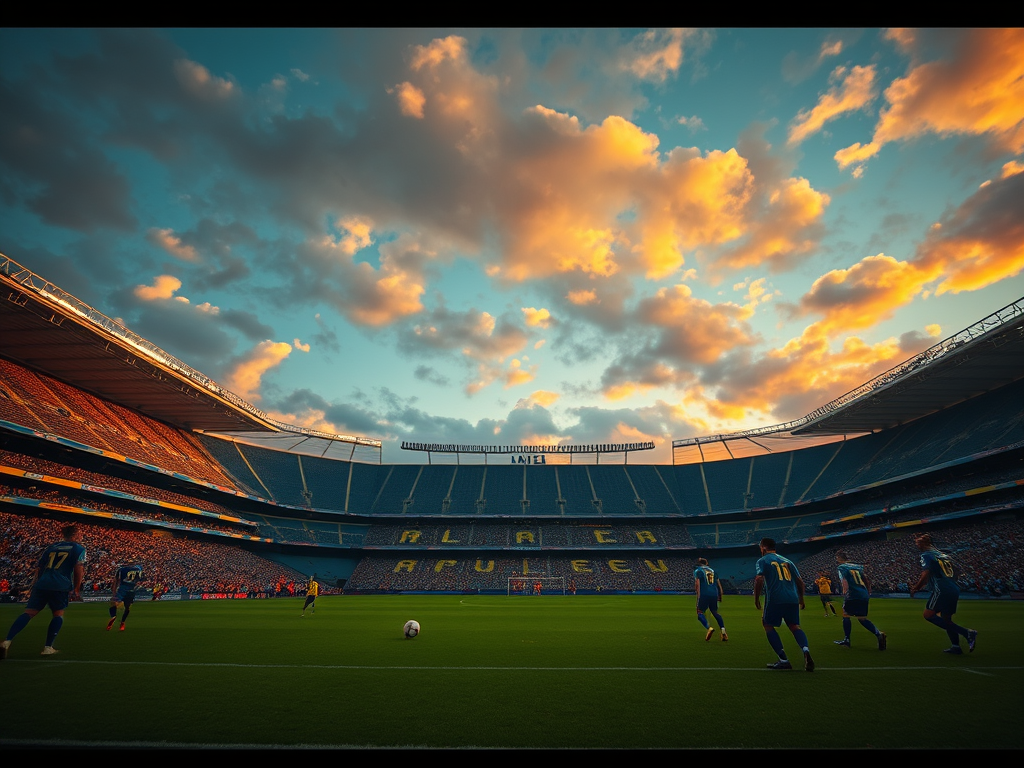
The match against Racing Club at the Estadio Gigante de Arroyito on November 7, 1971, is remembered as one of those encounters that mark an era. Rosario Central, in front of a vibrant crowd of 40,000 fans, showcased fluid and offensive play that left the visitors stunned. Although the final result was a draw, the team’s performance generated an air of optimism that swept over the city of Rosario.
The 1971 season culminated with a 6th place finish in the league standings, but beyond the statistics, what was truly achieved was a renaissance in the club's identity. From that moment, the Canallas began to be seen as a team that not only competed but also challenged the giants of Argentine football, like Boca Juniors and River Plate. The seed of success was sown, and in the following years, Rosario Central would begin to reap the rewards of that hard work.
This period of transformation also had a significant impact on the fanbase. Supporters, who had always lived in the shadow of the fierce rivalry with Newell's, began to feel proud of their team, vibrating with every play and every victory. The atmosphere in the stadium was electric, and that fervor became an essential component of Canalla culture.
The revolution of 1971 was not just a change in the way of playing but also a rebirth of the passion surrounding Rosario Central. As the team progressed in the following seasons, the legacy of that generation solidified, and the club prepared to become one of the pillars of Argentine football.
Thus, we remember 1971 as the year when Rosario Central ceased to be just another club and transformed into a true symbol of struggle and perseverance. The story of the Canallas, filled with triumphs and challenges, continued to be written with every match, and that season was just the beginning of a new era in Argentine football.