 Rosario Central Hub
A Match Shrouded in Controversy
The quarterfinal clash between Rosario Central and Racing Club in the Torneo Clausura was always expected to be a tightly contested affair. However, it ended with a crescendo of controversy, primarily due to the performance of referee Darío Herrera. The match, held at Estadio Gigante de Arroyito, saw multiple contentious decisions that left players, managers, and fans alike questioning the integrity of officiating in Argentine football.
In a match that held significant stakes for both teams, Herrera's decisions became the focal point of post-match discussions, overshadowing the tactical battles and individual performances on the pitch. As the tension mounted, players and supporters alike were left to grapple with what these decisions meant for the future of their clubs in the tournament.
Key Controversial Incidents
The match featured several incidents that led to heated debates among players and fans. Here are the most notable: - Disallowed Goal: Central had a goal disallowed for what Herrera deemed a foul in the buildup, leading to protests from players and supporters. - Penalty Claims: Both teams had strong claims for penalties that were dismissed by Herrera, igniting further outrage on the touchlines. - Yellow Cards: The distribution of yellow cards seemed inconsistent, with some challenges going unpunished while others were met with bookings.
Each of these incidents highlighted a perception that Herrera's officiating was unbalanced, contributing to an atmosphere of frustration and disbelief among the players. The consequences of these decisions not only impacted the match at hand but could have lasting implications for the respective teams' morale in the ongoing tournament.
Tactical Breakdown of the Match
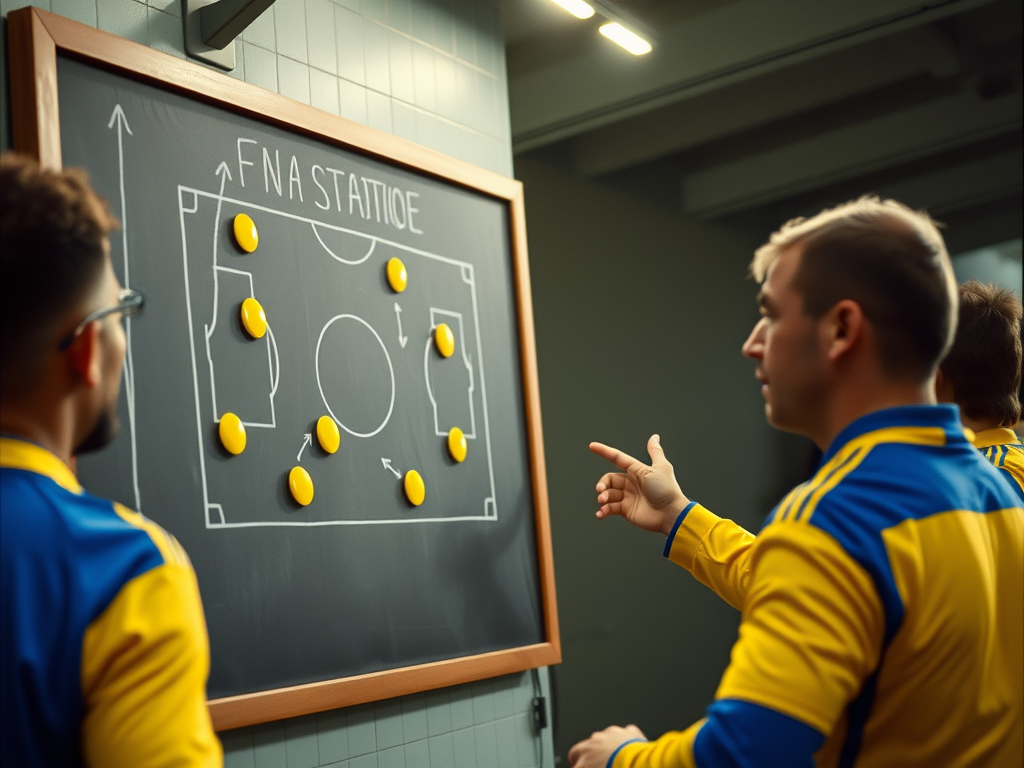
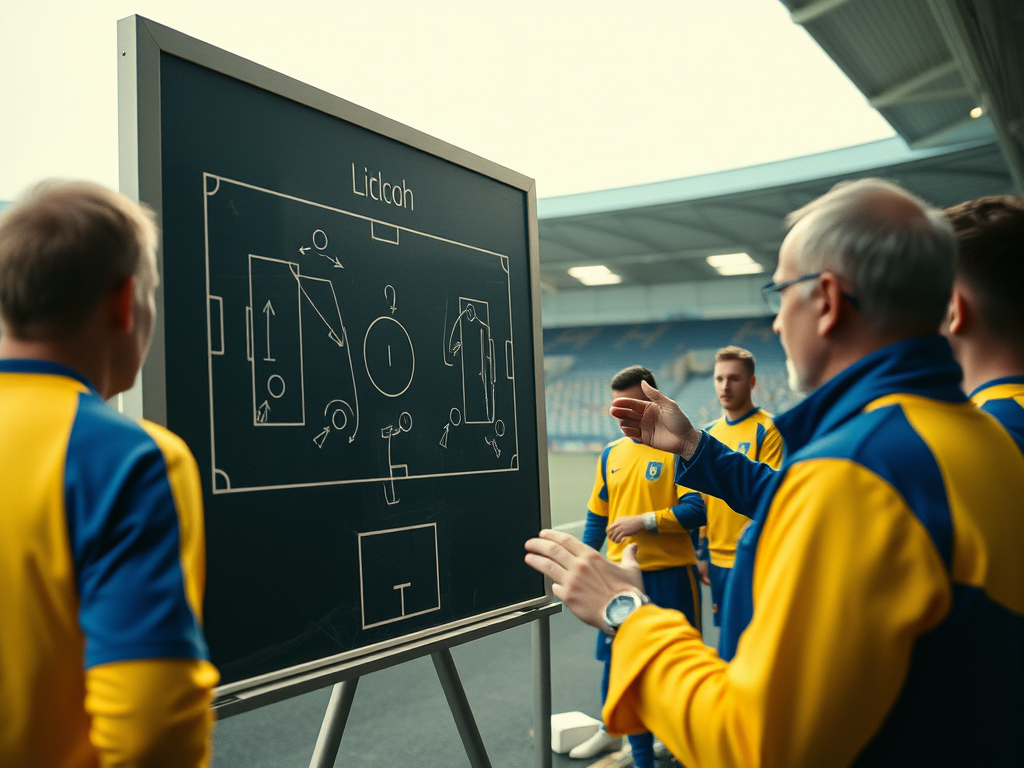
While the officiating dominated headlines, the tactical approaches of both teams were noteworthy and deserve recognition. Rosario Central, managed by Carlos Tevez, aimed to assert dominance through a pressing game, trying to exploit the spaces left by Racing’s defense. Their midfield, led by Gonzalo Piovi, worked tirelessly to regain possession and transition quickly into attack.
On the other hand, Racing Club, managed by Fernando Gago, set up defensively but looked to counterattack with pace. The likes of Matías Rojas and Gabriel Hauche were instrumental in executing this strategy, causing problems for Central's backline. Despite the referee's influence, the tactical battle was rich with intrigue, showcasing the evolving styles of two Argentine football giants.
What This Means for Rosario Central
Following this match, Rosario Central finds itself in a precarious position within the Liga Profesional Argentina standings. The frustration stemming from the referee’s decisions could affect the players’ confidence as they prepare for upcoming fixtures. Moreover, this controversy adds pressure on Tevez, who is still navigating his managerial career amid high expectations from fans.
The club must regroup quickly as they look to bounce back from this setback. The players need to channel their anger into a focused performance in their next match, or risk losing further ground in the league. Supporters will be watching closely to see how the team responds in the wake of such a contentious outing.
The Wider Championship Picture
With the conclusion of this quarterfinal, the implications of referee Herrera's decisions extend beyond just this match. These controversies can influence the competitive landscape of the Torneo Clausura, as teams fight for crucial points toward the playoffs.
- Impact on Standings: Central's position in the standings could be jeopardized if they fail to recover quickly.
- Refereeing Standards: This match brings to light ongoing concerns about the consistency and quality of officiating in Argentine football, a topic that has long been debated among fans and pundits.
- Potential Repercussions: The Argentine Football Association (AFA) may face pressure to review officiating standards, especially with high-stakes matches on the horizon.
As the season progresses, teams will need to navigate not only their opponents but also the unpredictable nature of officiating, which can make or break a team's ambitions.
Fan Reaction and Outlook
In the aftermath of the match, fan reactions have ranged from outrage to disillusionment. Social media has been abuzz with calls for accountability from referees, and many supporters feel that the integrity of the tournament is at stake. The passionate fanbase of Rosario Central is known for its unwavering support, but incidents like this test their patience and loyalty.
- Protests Against Refereeing: Fans have taken to platforms like Twitter to voice their frustrations, demanding transparency and improvement in officiating standards.
- Support for Players and Coach: Many supporters have rallied behind Tevez and the players, urging them to move past the controversy and focus on upcoming challenges.
As the situation unfolds, the club must not only address the current discontent but also work towards maintaining a positive atmosphere as they gear up for future matches. The next few weeks will be crucial in determining how Rosario Central can rebound from this tumultuous encounter.
What's Next
Looking ahead, Rosario Central must quickly shift their focus to their next match in the Liga Profesional Argentina. With the pressure mounting, the team needs to demonstrate resilience and cohesion on the pitch. Their upcoming opponents will undoubtedly be keen to exploit any lingering frustrations from this controversial outing.
This incident might serve as a catalyst for the squad to unite and strengthen their resolve. With passionate fans behind them, Central has the potential to leverage this adversity into a motivated performance, proving that they can rise above challenges both on and off the field.